Understanding the Role of a Court Interpreter in North Macedonia


Introduction to Court Interpretation
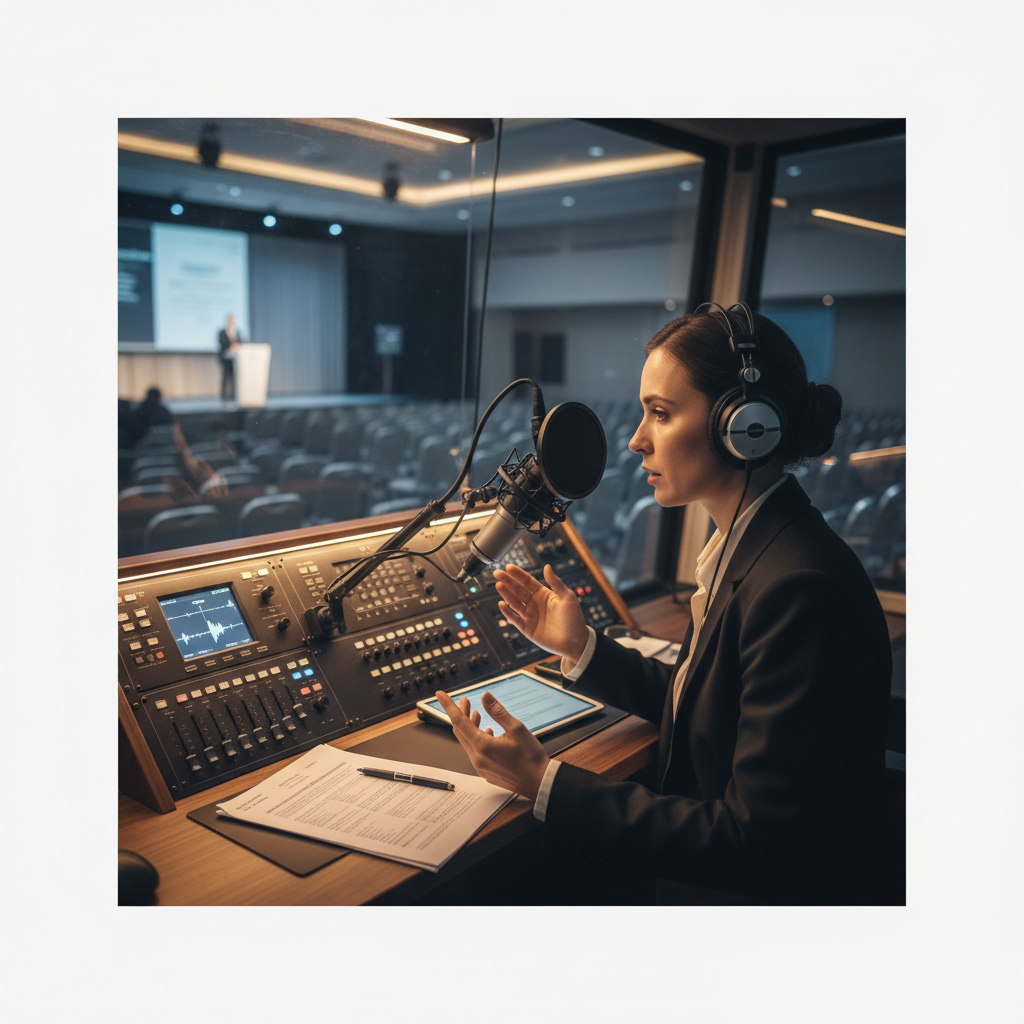
In the legal world, effective communication is crucial. This is where the role of a court interpreter becomes vital. In North Macedonia, court interpreters bridge the gap between different languages, ensuring that all parties involved in legal proceedings understand each other clearly. This role requires not only linguistic skills but also a deep understanding of legal terminology and procedures.
Court interpreters are essential in guaranteeing the right to a fair trial, as they ensure that non-native speakers can fully participate in the legal process. Their role is to translate spoken and written communication accurately and impartially.
Qualifications and Skills Required
To become a court interpreter in North Macedonia, individuals must meet certain qualifications. They typically need proficiency in Macedonian and one or more foreign languages. Additionally, they must have a strong grasp of legal vocabulary in both languages they work with.
Potential court interpreters often undergo specialized training and certification processes. This ensures they can handle the complexities of legal language and maintain the confidentiality and impartiality required in legal settings.
Essential Skills
- Linguistic Proficiency: Mastery in both the source and target languages.
- Legal Knowledge: Understanding of legal terms and procedures.
- Attention to Detail: Precision in translation to avoid misunderstandings.
- Confidentiality: Maintaining the privacy of sensitive information.
The Interpreting Process
The process of court interpretation involves several steps. Initially, the interpreter reviews the case materials to familiarize themselves with the context and terminology. During proceedings, they must listen carefully and provide accurate, real-time translation.
Interpreters may work in various settings, including courtrooms, depositions, and legal meetings. They must be adept at switching between languages quickly and handling different dialects or accents that may arise during proceedings.

Challenges Faced by Court Interpreters
One of the main challenges court interpreters face is the pressure of providing accurate translations under time constraints. Additionally, they must navigate cultural nuances and idiomatic expressions that may not have direct equivalents in the target language.
Interpreters also need to manage the emotional weight of the cases they interpret. This requires resilience and professionalism, as they often deal with sensitive and distressing topics.
The Impact of Court Interpreters
Court interpreters play a pivotal role in ensuring justice and fairness in the legal system of North Macedonia. By providing clear communication, they help to uphold the legal rights of individuals who speak different languages.
Their work not only aids in the smooth functioning of judicial processes but also enhances trust and transparency in the legal system. Through their expertise, they contribute to a more inclusive and equitable legal environment.

Conclusion
Understanding the role of court interpreters highlights their importance in the legal framework of North Macedonia. Their expertise ensures that language barriers do not hinder the pursuit of justice, making the legal system accessible to all. As globalization continues to increase linguistic diversity, the demand for skilled court interpreters will undoubtedly grow, reinforcing their essential function in society.