Understanding the Greek Language: Tips for Effective Translation


The Complexity of the Greek Language
The Greek language, with its rich history and intricate structure, poses unique challenges for translators. Understanding these complexities is essential for accurate and effective translation. Greek is not just a language but a gateway to one of the oldest and most influential cultures in the world.
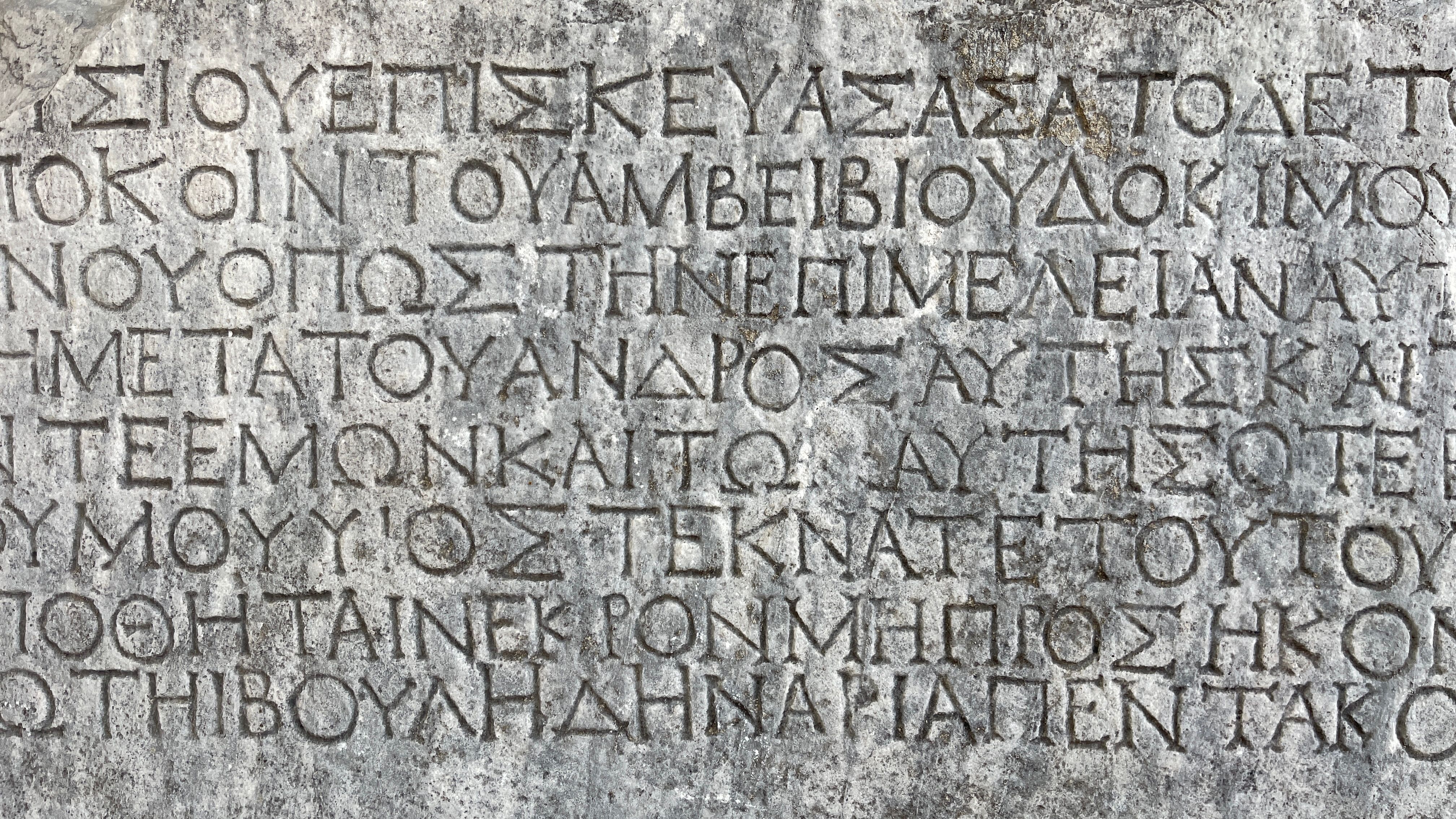
One of the key difficulties in translating Greek is its extensive vocabulary. Greek words often have multiple meanings, depending on the context, which requires translators to have a deep understanding of both the language and the cultural nuances. This complexity is compounded by the Greek alphabet, which differs significantly from the Latin alphabet familiar to many translators.
Mastering Greek Grammar
Greek grammar is another area where translators must tread carefully. The language is known for its elaborate grammatical structure, including a complex system of inflections. Greek nouns, for instance, vary in case, gender, and number, each affecting the word's form and meaning.
Verbs in Greek are just as intricate, with numerous tenses, moods, and voices. A single verb can have dozens of forms, each conveying a different nuance. Translators must be meticulous in their analysis to ensure the translated text retains the original's intent and meaning.

Contextual Understanding
Context plays a crucial role in translation. Due to the polysemous nature of Greek vocabulary, words can have different meanings in different contexts. Translators must be adept at picking up on these subtleties to render the text accurately.
Understanding cultural references and idiomatic expressions is also essential. Greek culture is rich in history and mythology, and many expressions are rooted in these traditions. Translators must be familiar with these cultural elements to convey the intended message effectively.

Effective Translation Strategies
To translate Greek effectively, several strategies can be employed:
- Thorough Research: Before translating, invest time in researching the topic and understanding its cultural context.
- Consultation with Experts: Engage with native speakers or experts in Greek literature and culture to gain deeper insights.
- Utilizing Technology: Leverage translation software and databases that specialize in Greek to assist with complex translations.
By adopting these strategies, translators can improve their accuracy and deliver more nuanced translations that respect the original text's integrity.
The Role of Modern Greek in Global Communication
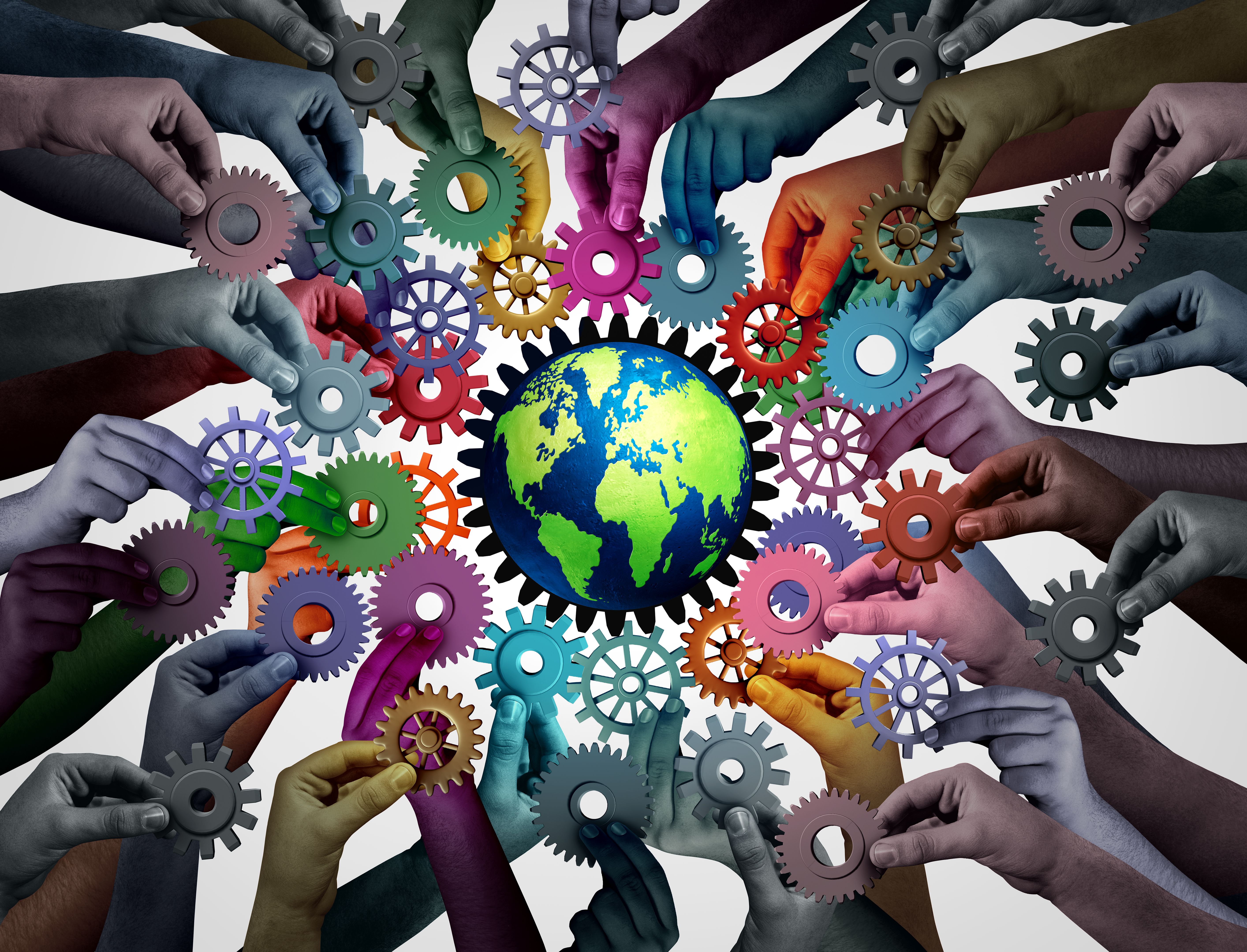
Despite its challenges, translating Greek is an invaluable skill in today's interconnected world. Greek is not only the language of ancient philosophy and science but also a living language spoken by millions today. As global communication expands, the demand for Greek translation continues to grow.
For businesses, academics, and cultural exchanges, effective Greek translation opens doors to new opportunities and collaborations. It allows for better engagement with Greek-speaking audiences and fosters mutual understanding.