The Importance of Accurate Translation Services in Legal Proceedings


In today's globalized world, legal proceedings often involve parties from diverse linguistic backgrounds. This complexity necessitates the use of accurate translation services to ensure fairness and clarity in judicial processes. The importance of precise translations cannot be overstated, as even a small error can lead to significant misunderstandings.

The Role of Translation in Legal Contexts
Legal documents are inherently complex, filled with specialized terminology that requires a deep understanding of both the source and target languages. Translation services in legal settings must not only be linguistically accurate but also contextually sound. A translator must grasp the intricacies of legal jargon and its implications to convey the intended meaning accurately.
When legal translations are mishandled, it can lead to misinterpretations that may affect the outcome of a case. This highlights the need for professional translators who specialize in legal matters to ensure that all parties have a clear understanding of the proceedings.
Ensuring Fairness in Multilingual Trials
In jurisdictions with multiple languages, ensuring that all parties comprehend the trial proceedings is crucial for maintaining fairness. Accurate translation services bridge the linguistic gap, allowing non-native speakers to fully participate in their defense and understand the charges or claims against them.

Moreover, precise translations help uphold the principle of due process. Without them, individuals may face disadvantages, potentially leading to unjust outcomes. Therefore, courts often rely on certified translators who adhere to rigorous standards to provide reliable translations.
Consequences of Inaccurate Translations
Errors in legal translations can have severe consequences. Misinterpretations of contracts, court rulings, or witness testimonies can lead to financial losses, unjust penalties, or wrongful convictions. In high-stakes cases, the absence of accurate translation can undermine the entire judicial process.
For instance, a mistranslation in a contract could alter the obligations of the parties involved, resulting in costly legal disputes. Similarly, inaccurate translations in criminal cases could affect the verdict, impacting lives significantly.
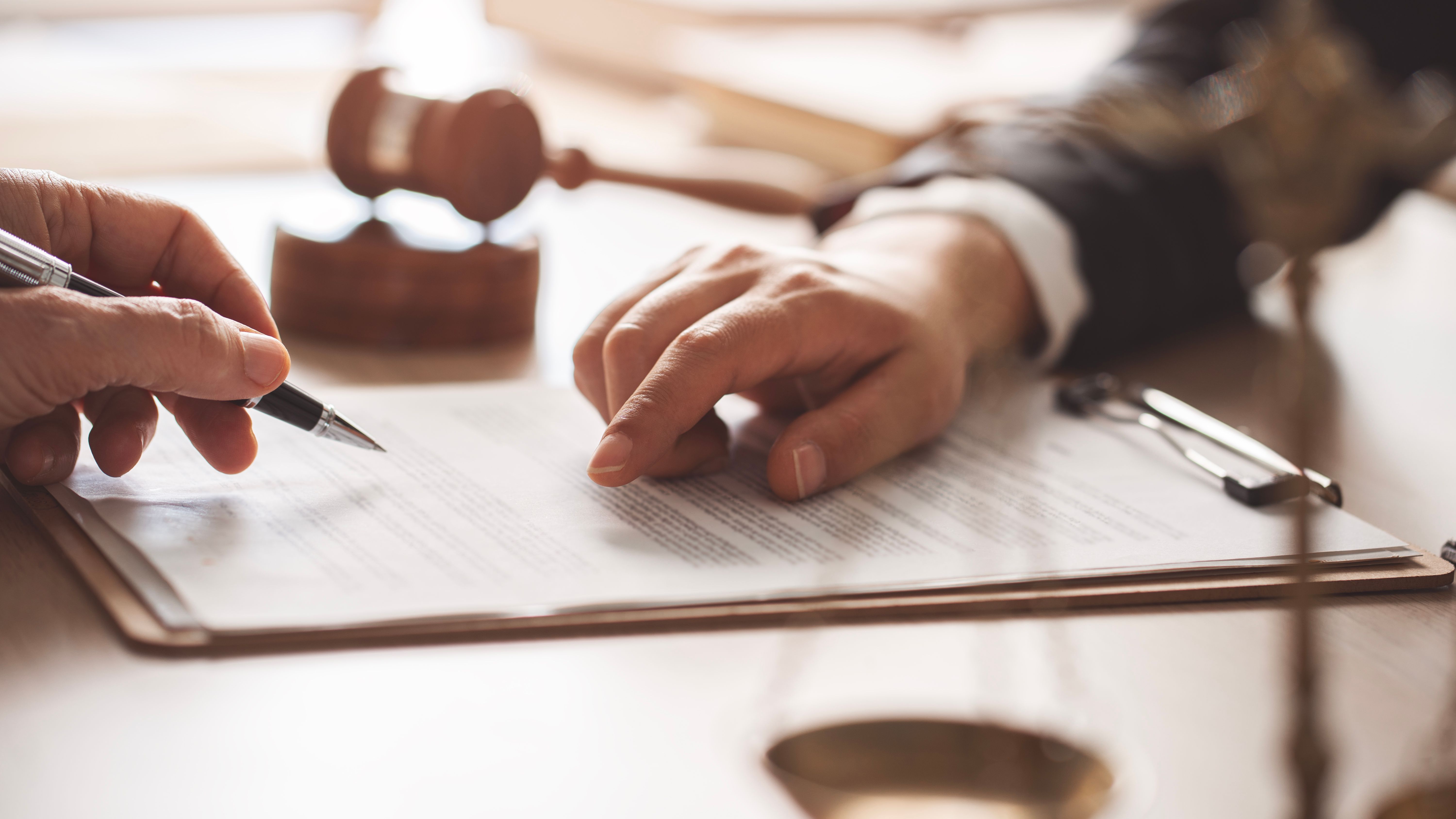
The Need for Specialized Legal Translators
Given the stakes involved, legal translation is not a task for amateurs. It requires professionals who possess not only linguistic expertise but also a deep understanding of legal systems. Specialized legal translators are equipped with the skills necessary to navigate complex legal texts and provide precise translations.
Legal translators often undergo rigorous training and certification processes to ensure they meet industry standards. Their expertise is crucial for maintaining the integrity of legal proceedings and ensuring justice is served.
Best Practices for Legal Translation
To ensure the highest level of accuracy, it's essential to adhere to best practices in legal translation. These include working with certified translators, employing quality assurance measures, and utilizing translation technology to support human expertise.
- Engage certified and experienced legal translators.
- Implement a rigorous quality assurance process.
- Utilize translation memory tools to maintain consistency.
By following these practices, legal professionals can minimize the risk of errors and enhance the clarity of multilingual legal proceedings.

In conclusion, accurate translation services play a pivotal role in legal proceedings, ensuring fairness, clarity, and justice. As globalization continues to bring diverse cultures and languages into the courtroom, the demand for skilled legal translators will only grow. Investing in quality translation services is not only a necessity but also a commitment to upholding the principles of justice in an increasingly interconnected world.