The Future of Translation Services: Trends and Innovations to Watch


The Rise of AI in Translation Services
The translation industry is undergoing a significant transformation, largely driven by advances in artificial intelligence. AI-powered tools are now capable of providing near-human translation quality at a fraction of the time and cost. These tools use machine learning algorithms to continually improve their accuracy and efficiency, making them a vital resource for businesses operating in a global market.
One of the most promising developments in this area is neural machine translation (NMT). Unlike traditional models, NMT uses deep learning to produce more natural and fluent translations. This technology is rapidly being adopted across various industries, from e-commerce to healthcare, due to its ability to handle complex language nuances.
Real-Time Translation and Speech Recognition
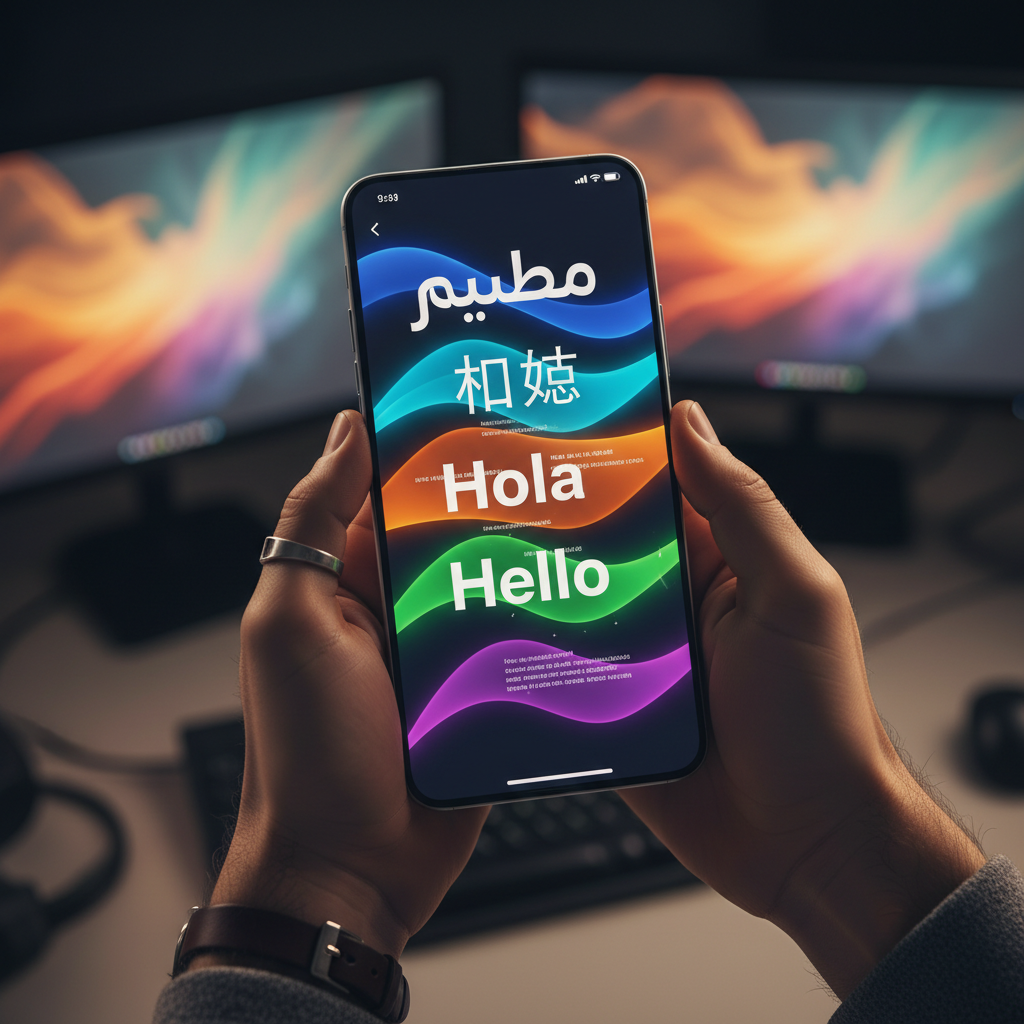
Real-time translation is another exciting innovation, providing instant language conversion during conversations. This is particularly beneficial in international business meetings, travel, and customer service interactions. Devices and apps equipped with speech recognition and translation capabilities are becoming increasingly common, breaking down language barriers on the go.
Companies are investing in developing portable translation devices that can offer immediate assistance in multilingual environments. These tools are designed to support a wide range of languages, making global communication more accessible than ever before.
Localization and Cultural Sensitivity
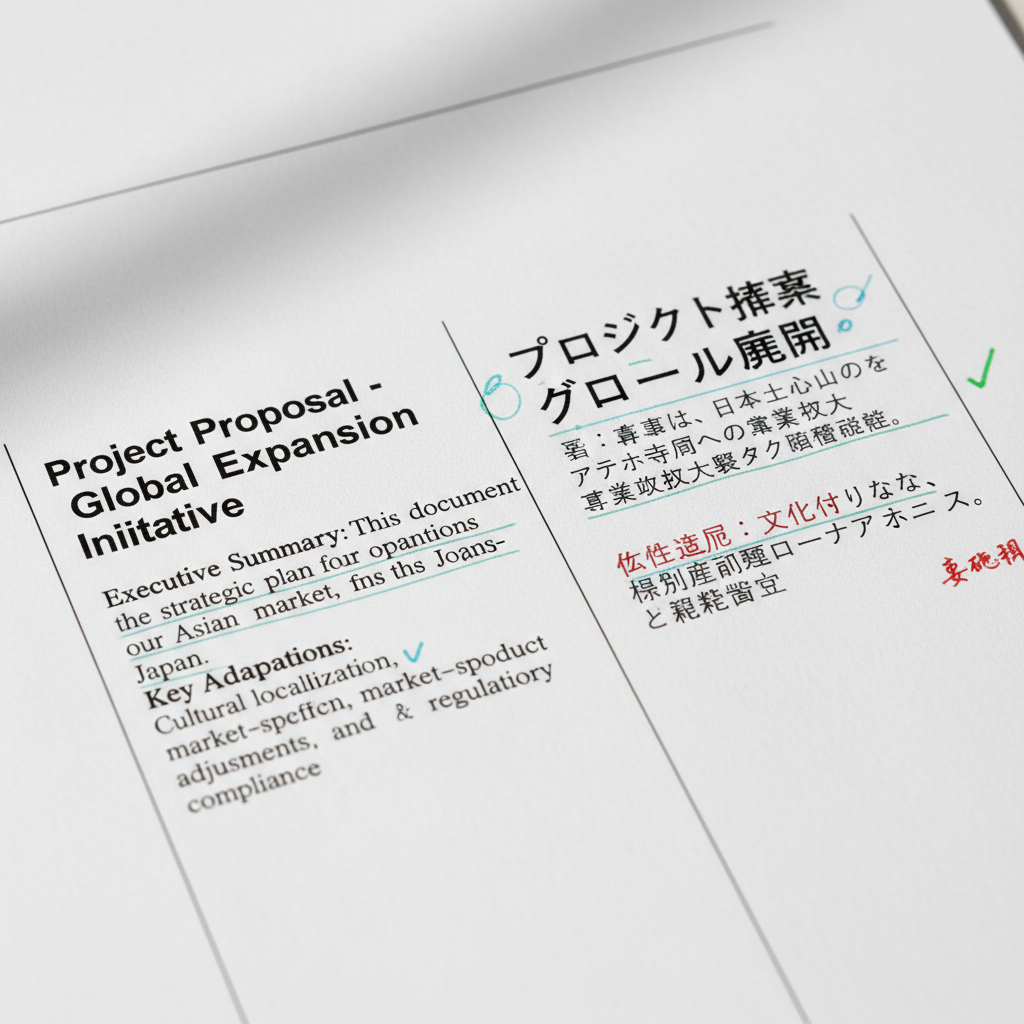
While technology continues to improve, human translators remain essential for ensuring cultural sensitivity and localization. Automated tools may struggle with idiomatic expressions or cultural references; thus, professional translators are crucial for refining translations to fit the target audience's cultural context.
Businesses are increasingly recognizing the importance of localized content to connect with diverse markets. By combining AI tools with human expertise, companies can deliver content that resonates on a personal level, enhancing customer experience and brand loyalty.

The Role of Cloud-Based Solutions
Cloud technology has revolutionized how translation services are delivered. Cloud-based platforms offer scalable and flexible solutions for managing translation projects, allowing teams to collaborate seamlessly across different regions. These platforms provide secure storage and easy access to translation memory, glossaries, and other resources essential for maintaining consistency.
The integration of cloud-based solutions with AI technology further enhances the speed and accuracy of translations, making them an indispensable part of modern translation workflows.

Future Prospects and Challenges
As we look to the future, the translation industry is poised for even more innovations. The integration of AI with augmented reality (AR) and virtual reality (VR) could open new possibilities for immersive language learning and real-time translation in virtual environments.
However, challenges remain, including ensuring data privacy and addressing ethical concerns surrounding AI usage. As technologies evolve, maintaining a balance between automation and human touch will be crucial for delivering high-quality translation services.
In conclusion, the future of translation services is bright, with numerous trends and innovations set to reshape the landscape. By embracing these changes, businesses can enhance their global reach and communication strategies, ensuring success in an increasingly interconnected world.