German to Macedonian: Common Translation Challenges and Solutions


When translating from German to Macedonian, linguists often encounter a variety of challenges. These challenges arise from the distinct linguistic features and cultural nuances inherent in both languages. Understanding these differences is crucial for producing accurate and effective translations.
Grammar and Syntax Differences
German and Macedonian have significantly different grammatical structures. German is known for its complex cases and gender-specific articles, while Macedonian follows a more simplified structure without cases. This can lead to complications when attempting to maintain the original meaning and tone.
To tackle these challenges, translators often focus on the context to determine the best equivalent in Macedonian. They also rely on their deep understanding of both languages to ensure that the translated text reads naturally.
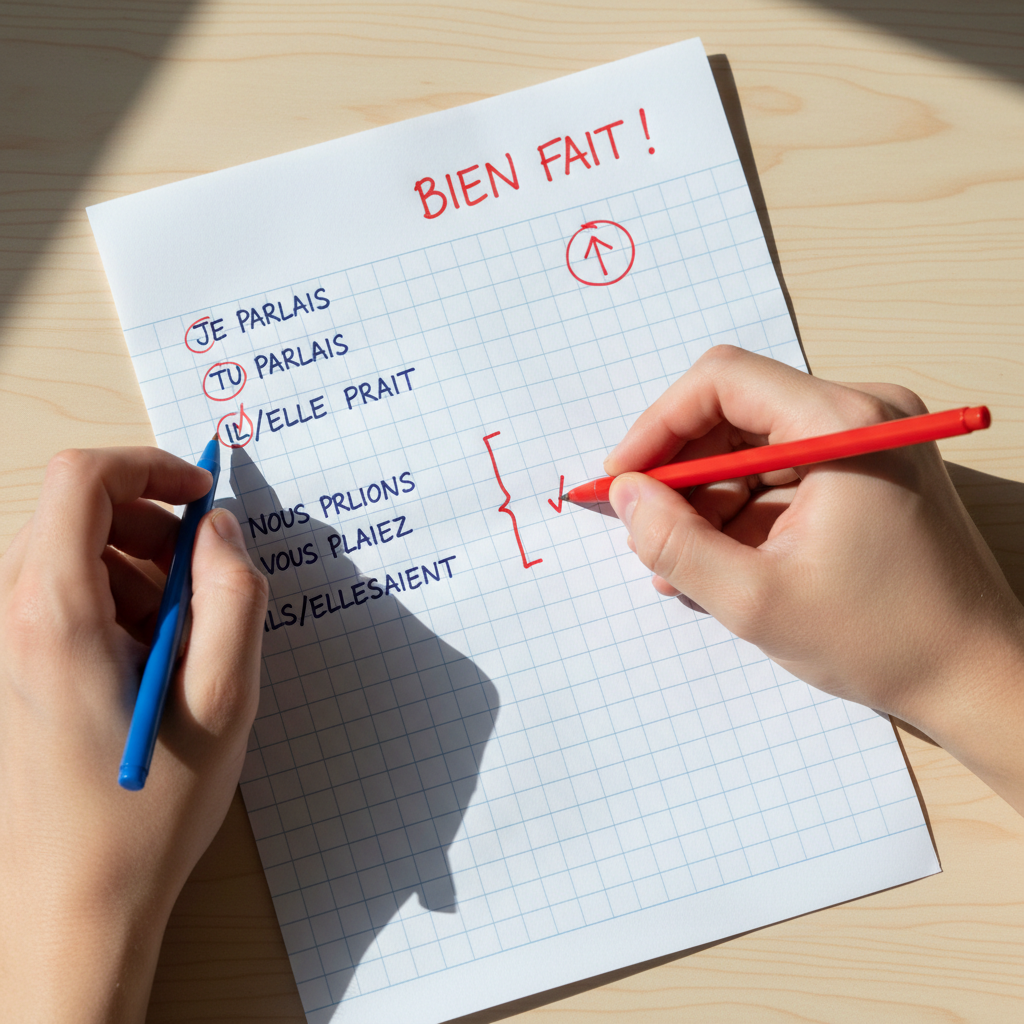
Vocabulary and Idiomatic Expressions
German is rich in compound words and idiomatic expressions, which do not always have direct equivalents in Macedonian. Translators must convey the intended message while preserving the cultural context.
Strategies for Handling Idioms
One effective strategy is finding a similar expression in Macedonian that conveys the same idea. When this isn't possible, a descriptive translation may be necessary to maintain the original intent.

Cultural Nuances
Translators must also consider cultural nuances that influence language use. What is appropriate or common in German culture might not be the same in Macedonian culture. For instance, formal and informal address differs, requiring careful attention to detail.
Understanding the target audience is crucial. Translators need to adapt the content to ensure it resonates well with Macedonian readers while maintaining the essence of the original German text.
Technical and Specialized Vocabulary
When translating technical documents, specific industry terminology can pose a challenge. German technical vocabulary often has precise terms that may not have direct translations in Macedonian.
Utilizing Glossaries and Experts
To overcome this, translators can use specialized glossaries and consult with experts in the field. This ensures that the translated material is not only accurate but also understandable to the intended audience.

Maintaining Consistency
Consistency is key in translation, especially in lengthy documents. Translators must ensure that terms and phrases are consistently translated throughout the text to avoid confusion and maintain clarity.
Using translation memory tools can help maintain consistency and improve efficiency. These tools store previously translated material, allowing translators to reference and reuse content as needed.
In conclusion, translating from German to Macedonian involves navigating various linguistic and cultural challenges. By employing effective strategies and tools, translators can deliver translations that are both accurate and culturally appropriate, ensuring effective communication between German and Macedonian speakers.