Emerging Trends in Professional Translation Services: What to Expect


Introduction to Emerging Trends
The world of professional translation services is rapidly evolving. As globalization intensifies and technology advances, the demand for high-quality translation services is surging. This growth brings with it new trends that are reshaping the industry. In this blog post, we'll explore some of these emerging trends and what you can expect in the near future.

AI and Machine Learning Integration
One of the most significant trends in professional translation is the integration of AI and machine learning. These technologies are improving translation speed and accuracy, making it easier for businesses to communicate across language barriers. AI-driven tools are now capable of understanding context and nuances better than ever before, although human oversight remains essential for ensuring cultural sensitivity and precision.
Benefits of AI in Translation
The use of AI in translation offers several benefits:
- Faster Turnaround Times: AI can process large volumes of text quickly.
- Cost Efficiency: Reducing the need for manual labor lowers costs.
- Improved Consistency: AI ensures consistent use of terminology.
Rise of Specialized Translation Services
As industries become more specialized, so too does the need for translators with niche expertise. Whether it's legal, medical, or technical translations, having a translator who understands the specific jargon and nuances of an industry is crucial. This trend highlights the growing importance of specialized translation services that cater to distinct sectors.

The Importance of Industry Expertise
Specialized translation services bring several advantages:
- Accuracy: Translators with industry knowledge provide more accurate translations.
- Cultural Relevance: Understanding cultural contexts enhances translation quality.
- Trust: Clients gain confidence knowing their content is handled by experts.
Increased Demand for Multimedia Translation
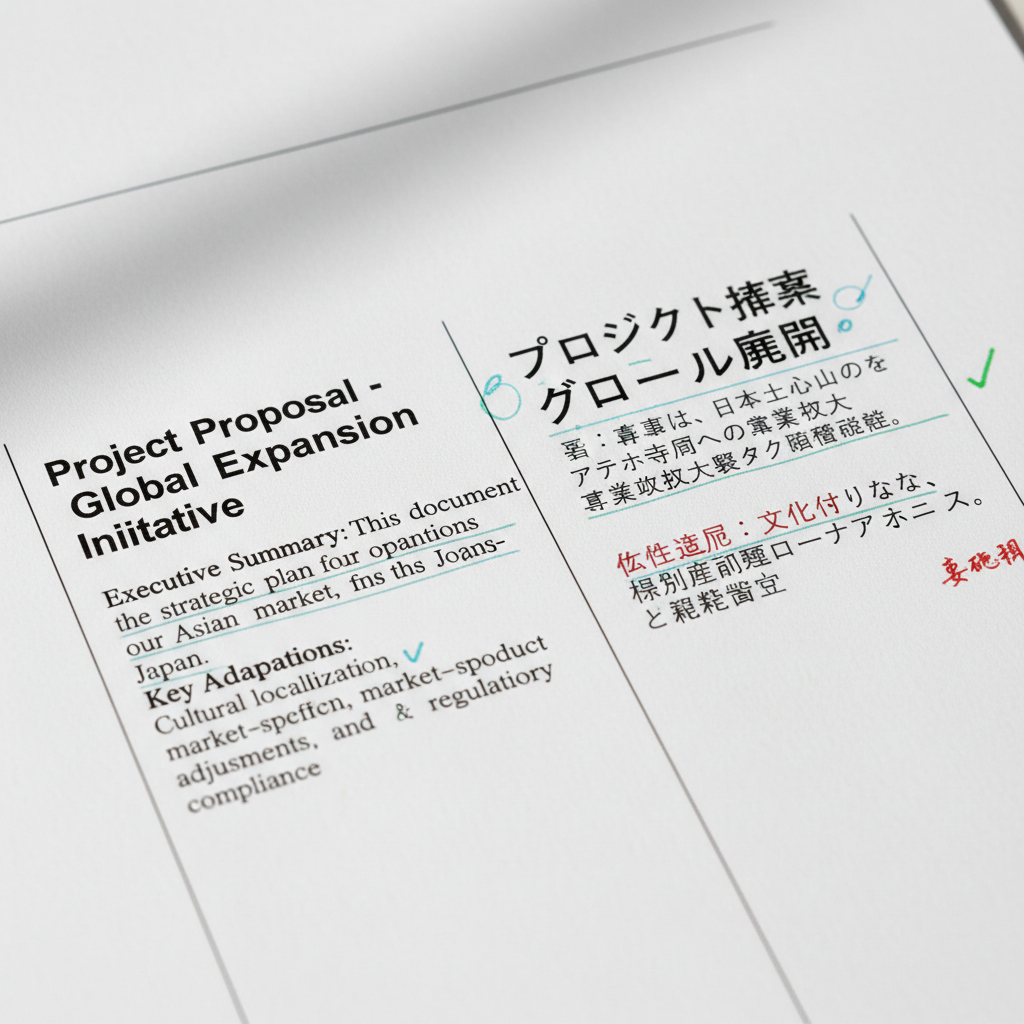
With the rise of video content, there's a growing demand for multimedia translation services. This includes translating subtitles, voiceovers, and even entire videos. As businesses aim to reach global audiences, ensuring their multimedia content is accessible in multiple languages is becoming a priority.
Challenges of Multimedia Translation
Multimedia translation presents unique challenges, such as:
- Synchronization: Ensuring translated content aligns with visual elements.
- Technical Expertise: Requires knowledge of video editing and subtitling software.
- Cultural Sensitivity: Adapting content to fit cultural norms and expectations.
The Role of Human Translators
Despite technological advancements, the role of human translators remains vital. Machines cannot replicate the cultural insights and emotional intelligence that humans bring to translations. Professionals are needed to oversee AI outputs, ensure accuracy, and add a human touch that resonates with audiences.
As the translation industry continues to evolve, staying informed about these emerging trends is crucial for businesses and translators alike. By embracing new technologies and focusing on specialization, the industry is set to meet the diverse needs of a globalized world.