Confidentiality in Professional Translation Services: What You Need to Know


In today's globalized world, businesses and individuals often rely on professional translation services to bridge language barriers. However, with the exchange of sensitive information, maintaining confidentiality becomes paramount. Ensuring that your data remains secure throughout the translation process is crucial for both legal and ethical reasons.

Why Confidentiality Matters
Confidentiality in translation services is not just a matter of courtesy; it's a critical component of professional ethics. When you entrust a translation service with your documents, you are sharing potentially sensitive information that, if leaked, could have serious repercussions. This includes legal documents, business contracts, and personal information.
Such breaches of confidentiality can lead to competitive disadvantages, legal penalties, and damage to your reputation. Therefore, understanding how translation services protect your information is essential for peace of mind.
Legal Implications
The legal landscape surrounding confidentiality in translation services can be complex. Many countries have strict regulations and laws to protect sensitive information. For example, translations involving medical or legal documents must comply with specific privacy laws, such as the GDPR in Europe.

Failure to adhere to these regulations can result in hefty fines and legal actions. Therefore, it's important to ensure that your translation service provider is well-versed in the relevant legal requirements and has robust processes in place to protect your data.
Measures Taken by Professional Translation Services
Professional translation services employ several measures to safeguard client information. These can include:
- Non-Disclosure Agreements (NDAs): Signing NDAs ensures that both parties agree to keep shared information confidential.
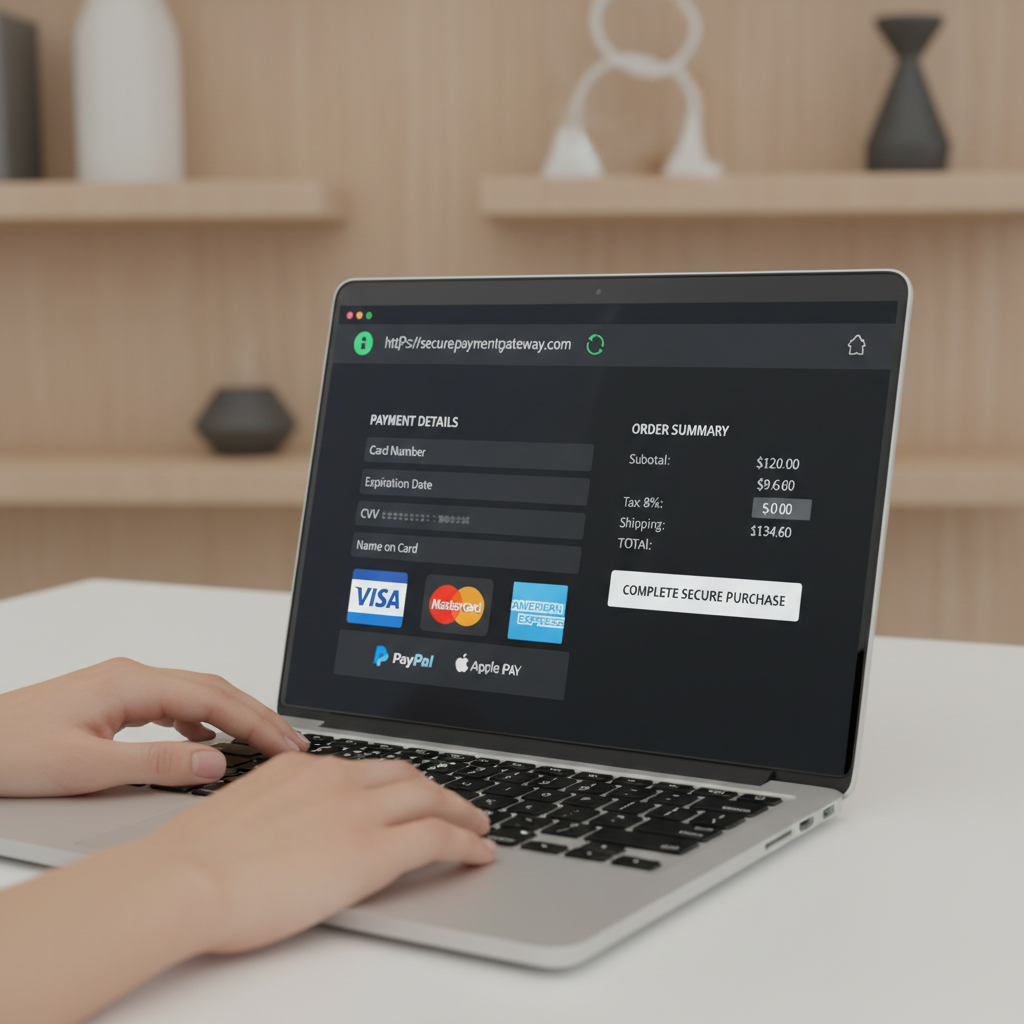
- Secure File Transfer: Using encrypted methods to transfer files minimizes the risk of unauthorized access.
- Access Controls: Restricting access to sensitive information ensures that only authorized personnel can view it.
Choosing the Right Service Provider
Not all translation services offer the same level of confidentiality. When selecting a provider, consider their reputation, the security measures they have in place, and their understanding of legal obligations. Look for providers who are certified and have positive reviews from clients regarding their handling of confidential information.
It's also beneficial to discuss your specific confidentiality requirements with potential providers to ensure they can meet your needs. This proactive approach can help prevent any issues down the line.
Conclusion
Confidentiality in professional translation services is a critical aspect that requires careful consideration. By understanding the importance of confidentiality, the legal implications, and the measures taken by professional services, you can make informed decisions and protect your sensitive information effectively. Always choose a reputable provider who values and prioritizes the security of your data.