A Step-by-Step Guide to Preparing Your Documents for Translation


Understanding the Importance of Document Preparation
Preparing your documents for translation is a critical step in ensuring accurate and effective communication. Without proper preparation, you might face delays, increased costs, or errors in the final translation. Taking the time to prepare can make the entire translation process smoother and more efficient.

Analyzing the Document
Before sending your documents for translation, it's essential to analyze the content. Consider the purpose of the translation and the target audience. Is the document technical, legal, or marketing-oriented? Understanding these elements helps in selecting the right translator with the appropriate expertise.
Identify the Core Content
Focus on identifying the core content that needs translation. Remove any unnecessary information that doesn't serve the document's purpose. This will not only save time but also reduce translation costs. Be clear about what the translator should prioritize.
Formatting and Organization
Ensure that your document is well-organized and clearly formatted. Consistent formatting helps translators understand the structure and flow of the document. Use styles and templates consistently to maintain uniformity.
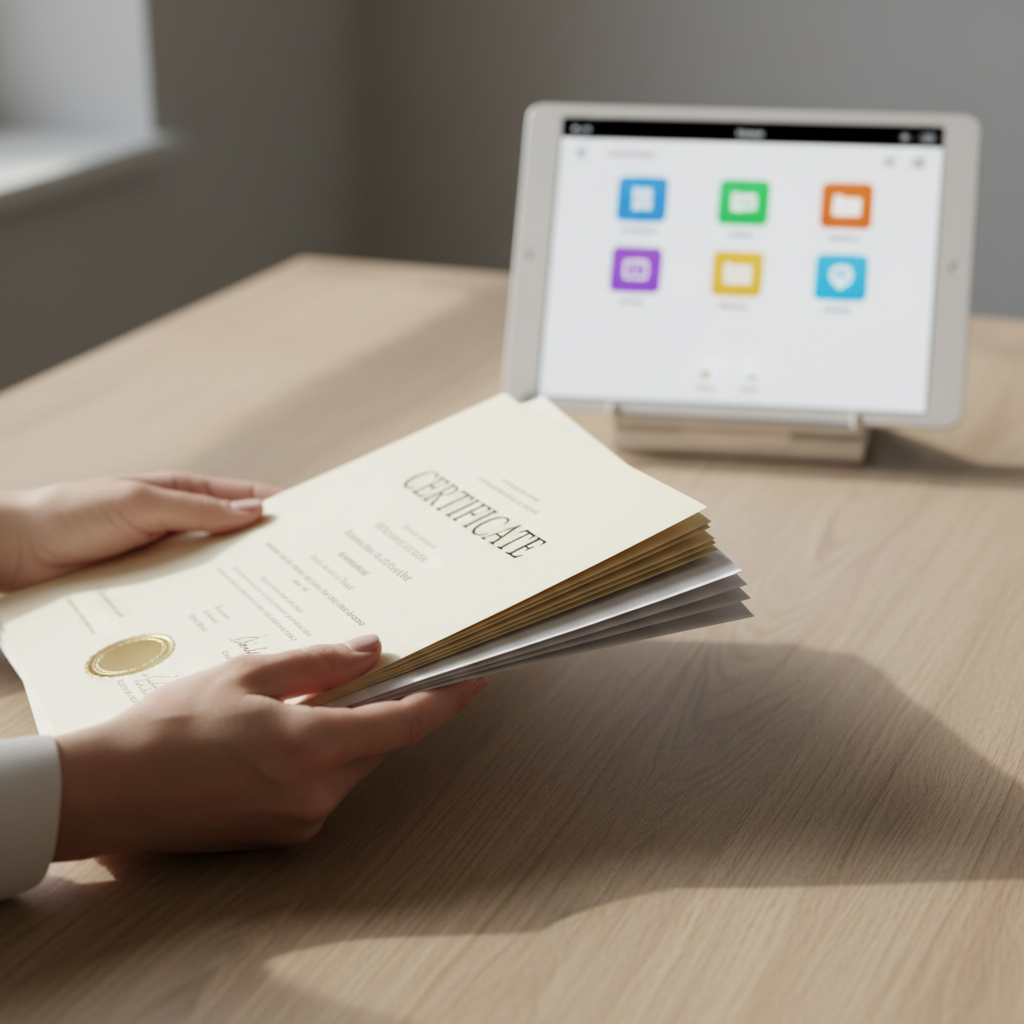
Provide Reference Materials
Supplying reference materials, such as glossaries or previous translations, can be tremendously helpful. These resources provide context and ensure consistency in terminology, particularly for specialized or technical documents.
Choosing the Right File Format
The file format you choose can impact the ease of translation. Common formats include Word, PDF, and Excel. However, editable formats are typically preferred as they allow translators to work more efficiently. Confirm with your translation provider which formats they accept.

Ensure Text is Editable
Ensure that the text within your documents is editable. Avoid sending scanned images or locked PDFs, as these require additional processing, potentially leading to errors or additional costs.
Final Review and Quality Check
Before submitting your documents, conduct a final review. Check for any errors or inconsistencies in the source text. A well-prepared document minimizes misunderstandings and lays the groundwork for a high-quality translation.
Collaboration with Your Translator
Maintain open communication with your translator. Provide them with any additional information they might need and be open to their questions. A collaborative approach ensures that the translation aligns with your expectations.