A Complete Guide to Legal Document Translation Services


In today's globalized world, the need for legal document translation services is more critical than ever. Whether you're dealing with contracts, patents, or court documents, accurate translation is essential to ensure legal compliance and protect your interests. Understanding the nuances and complexities of legal translation can be daunting, which is why many businesses and individuals seek professional services.

Why Legal Document Translation Matters
Legal documents are often filled with technical jargon and specific terminology that requires expert handling. A simple mistranslation can lead to misunderstandings, legal disputes, or even financial losses. Ensuring that your documents are translated accurately helps maintain the integrity of the original document and avoids potential legal pitfalls.
Another crucial aspect is compliance with local laws and regulations. Different countries have diverse legal systems, and a professional translator can help navigate these complexities, ensuring that translated documents are legally valid in the target jurisdiction.
Choosing the Right Translation Service
Selecting the right translation service provider is vital. Here are some factors to consider:
- Expertise in Legal Translation: Choose a provider with proven experience in the legal field. They should understand legal terminology and concepts.
- Certification: Opt for certified translation services, as this can add a layer of trust and assurance.
- Confidentiality: Legal documents often contain sensitive information. Ensure that the provider has strict confidentiality protocols in place.
The Process of Legal Document Translation
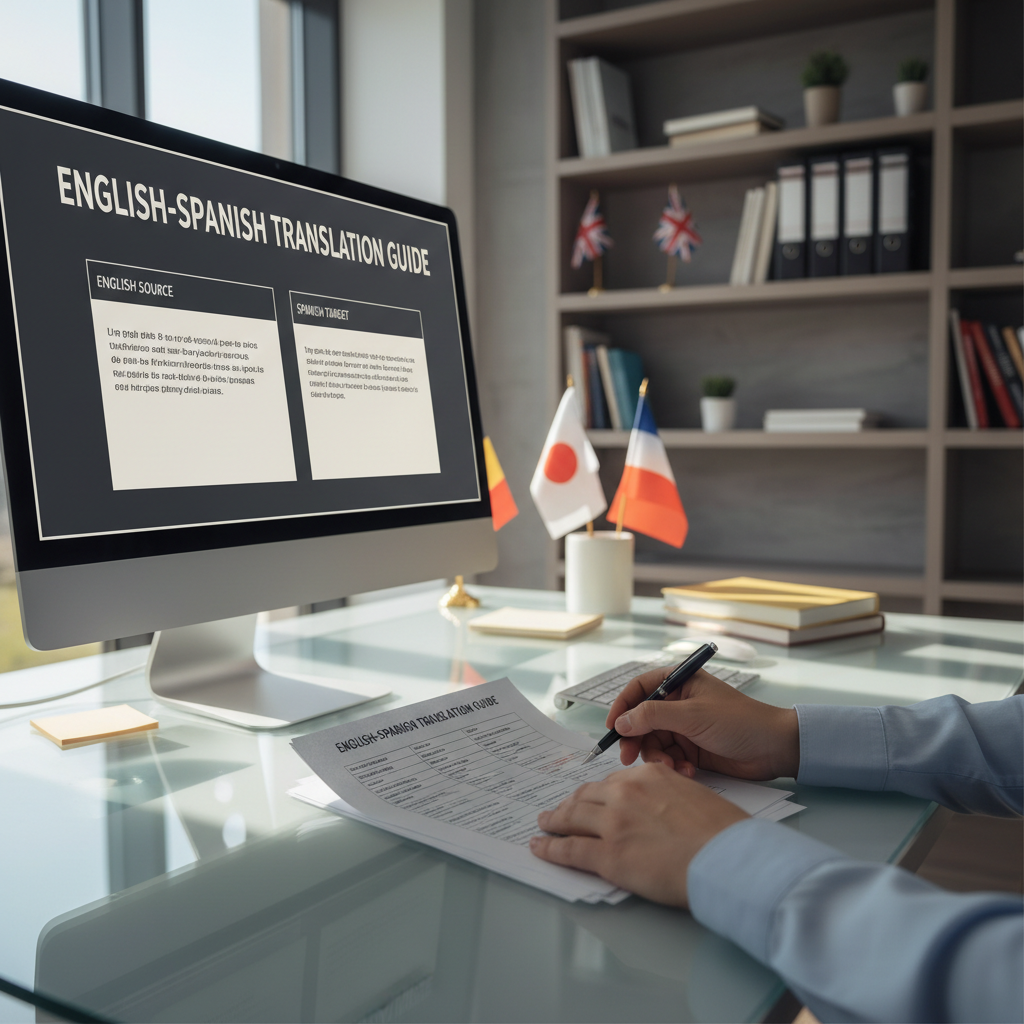
The translation process involves several steps to ensure accuracy and compliance. It typically begins with a thorough analysis of the document to understand its purpose and the legal context. This is followed by the actual translation, performed by a skilled legal translator.
After the initial translation, a second translator often reviews the document to ensure that nothing is lost in translation. This step is crucial for maintaining accuracy and ensuring that the document is legally sound.
Challenges in Legal Translation
Legal translation is not without its challenges. One of the main issues is handling complex legal terms that may not have direct equivalents in the target language. Translators must have a deep understanding of both the source and target legal systems to overcome these obstacles.

Another challenge is cultural differences. Legal systems are deeply rooted in cultural contexts, and a translator must carefully navigate these to maintain the document's intended meaning and legal validity.
Benefits of Professional Legal Translation Services
Utilizing professional translation services offers several benefits. These services provide peace of mind, knowing that your documents are handled by experts with a strong understanding of legal terminology and local laws. This ensures not only accuracy but also compliance with all legal requirements.
Furthermore, professional services often offer additional support, such as notarization or certification, which can be crucial for certain legal processes. By entrusting your legal documents to professionals, you minimize risks and focus on your core activities.